Key Team Building Statistics (Editor’s Pick)
- 98% of executives are concerned their teams aren’t using AI effectively to break down silos.
- Only 20% of knowledge workers feel their teams share decisions effectively across teams.
- The global team-building services market is projected to grow from $3.2B in 2025 to $9.9B by 2033 (20.16% CAGR).
- Fully engaged workplaces could add $9.6 trillion to the global economy, equal to 9% of global GDP.
- Collaboration and peer coaching can increase individual productivity by up to 88%.
- Employee engagement dropped globally in 2024, costing $438 billion in lost productivity.
- Only 30% of employees are considered highly engaged, while 43% rate engagement at 6 or lower.
- 68% of business leaders say maintaining team cohesion is a moderate to major challenge in hybrid work.

Only companies with highly engaged teams experience 21% higher profitability.
The power of team building lies in its ability to foster collaboration, enhance communication, and boost overall workplace productivity.
As companies navigate the challenges of modern work environments, from remote setups to hybrid teams, investing in effective team-building strategies has become more critical than ever.
But what does the data reveal about the true impact of team building?
From improving employee retention to reducing workplace stress, the statistics provide a compelling case for prioritizing team cohesion.
In this article, we’ll explore the latest team building statistics, uncovering trends, insights, and actionable data to help organizations create stronger, more connected teams.
General Team Building Statistics & Facts
1. 98% of executives are concerned their teams aren’t using AI well enough to break down silos (source).
2. Only 20% of knowledge workers feel their team does a good job of quickly sharing decisions that affect other teams (source).
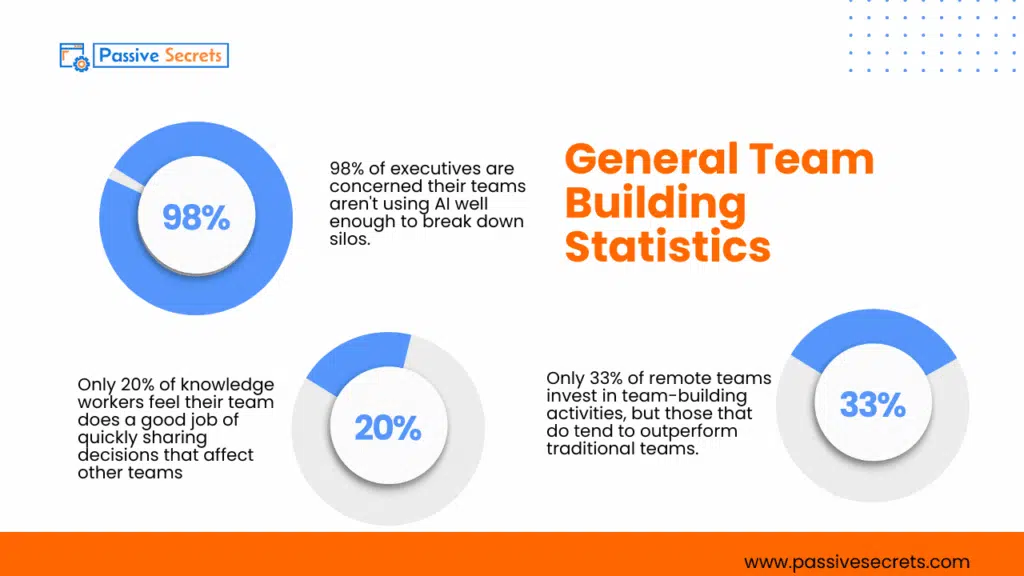
3. Only 33% of remote teams invest in team-building activities, but those that do tend to outperform traditional teams (source).
4. The global team collaboration software market was $19.4 billion in 2024. It’s expected to hit $52.4 billion by 2033, growing at 11.12% CAGR (2025-2033) (source).
5. More than three-quarters of employees in the survey have at least one strong friendship at work. The numbers are pretty similar across genders – 76.72% of female workers and 75.46% of male workers have a close friend (source).
6. Over two-thirds of employees want deeper connections with coworkers. 73.88% of males and 65.56% of females crave more meaningful bonds. Younger workers (18-24) are keen – 80.95% want more connection, but only 47.30% of those over 54 feel the same (source).
7. The global team building service market is expected to grow significantly, reaching USD 9.9 billion by 2033 from USD 3.2 billion in 2025, with a Compound Annual Growth Rate (CAGR) of 20.16%. This growth is driven by companies recognizing the importance of fostering collaboration, trust, and communication among employees (source).
8. 54% of job seekers believe their supervisor lacks effective team leadership skills (source).
9. 87% of workers say their manager plays a significant role in shaping their team’s work environment (source).
The Impact of Team Building on Productivity
10. Gallup says if workplaces were fully engaged, $9.6 trillion in productivity could be added to the global economy – that’s 9% of global GDP (source).
11. 69% of managers think hybrid/remote work has boosted their team’s productivity (source).
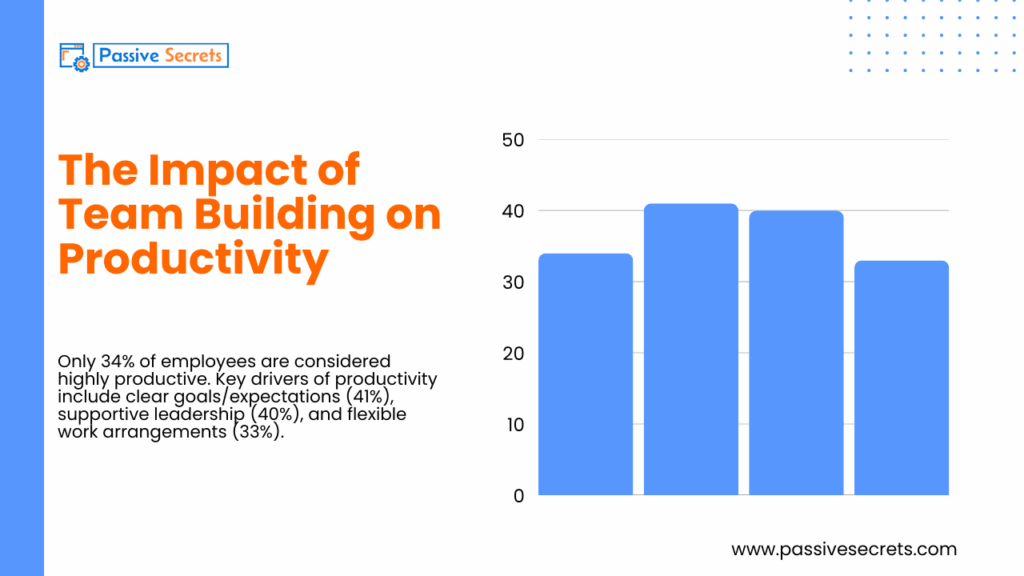
12. Only 34% of employees are considered highly productive. Key drivers of productivity include clear goals/expectations (41%), supportive leadership (40%), and flexible work arrangements (33%) (source).
13. Collaboration and peer coaching can increase individual productivity by up to 88% (source).
14. Teams that prioritize their work are 4.6 times more likely to be effective and productive, and 4.7 times more likely to be adaptable (source).
15. Teams that optimize their time are 1.6 times less likely to engage in “productivity theater” and 1.6 times more likely to consistently plan and track their work across teams (source).
Employee Engagement and Retention Statistics
16. Employee engagement dropped globally in 2024, costing $438 billion in lost productivity. Manager engagement was the main culprit. Post-pandemic pressures on managers are taking a toll, impacting teams and productivity (source).
17. Global engaged employees dropped from 23% to 21% in 2024. Engagement’s only fallen twice in 12 years – 2020 and 2024. Last year’s drop matched COVID-19 lockdown levels (source).
18. 82% of global workers feel comfortable sharing their opinions about work-related issues (source).
19. Employee engagement is getting better, but still has a way to go. Only 30% say their average employee is highly engaged (8+ on a 10-point scale), up from 23% in 2022. Most rate engagement at 7 (moderate), but 43% say it’s 6 or lower (source).
20. 61% of organizations consistently measure engagement, mainly through surveys (79%), retention/turnover rates (61%), and exit/stay interviews (59%). Over 40% measure engagement annually. Of those who measure it, only 18% say over 80% of employees are highly engaged (source).
21. The top factors driving employee engagement are organizational culture (53%), compensation and benefits (50%), and relationships with immediate supervisors (46%). Career growth opportunities (45%) and trust in leaders (41%) also play a big role (source).
22. Most employees (84-85%) are motivated by socializing with coworkers and rebuilding team bonds (source).
23. Employees are more likely to go to the office if they know their team members (73%) or work friends (74%) would be there (source).
24. 79% of Gen Z employees are motivated to work in-person to see their work friends, outpacing Gen X and older at 68% (source).
25. About half of employees (51%) say their relationships outside their team have weakened, and 43% feel disconnected from their company (source).
Virtual Team Building Statistics
26. 44% of employees say collaborating on new projects works better post-COVID-19 (source).
27. 49% of global creatives and marketers collaborated remotely in real-time, while 26% worked remotely but not simultaneously (source).
28. Microsoft dominated the collaboration software market in 2020 with a 25% share, while Zoom held just 5%, despite reaching $1 billion in revenue (source).
29. The Collaboration Software market is set to hit $15.60 billion by 2025, growing to $17.00 billion by 2030 at 1.73% CAGR. The US leads with $7.89 billion in revenue in 2025 (source).
30. 68% of business decision-makers say maintaining team cohesion and social connections is a moderate to major challenge in hybrid work (source).
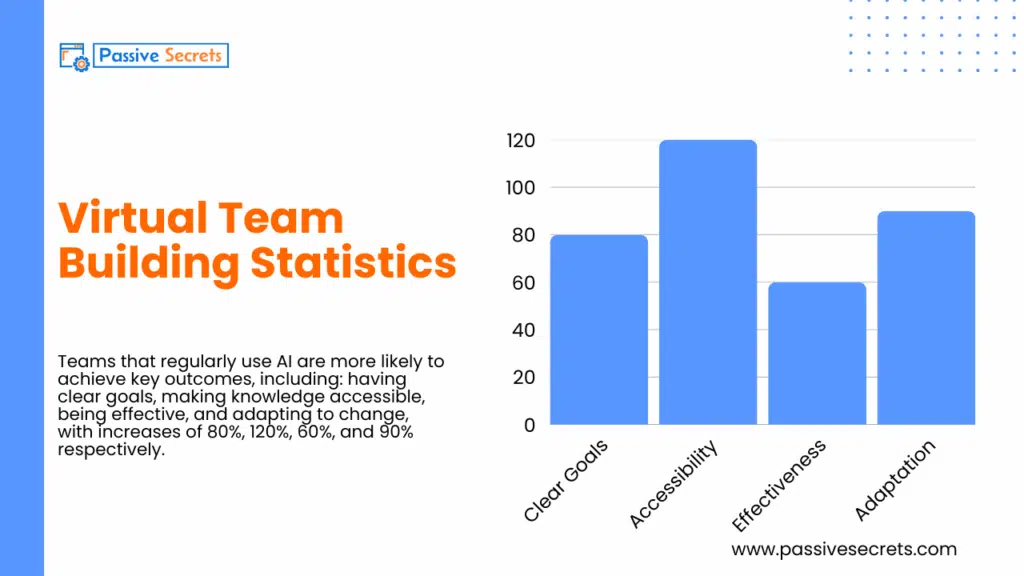
31. Teams that regularly use AI are more likely to achieve key outcomes, including: having clear goals, making knowledge accessible, being effective, and adapting to change, with increases of 80%, 120%, 60%, and 90%, respectively (source).
32. Leaders who leverage AI gain extra time to focus on high-priority tasks and collaborative work, with an average increase of19% for teamwork and 12% for daily priorities (source).
Team Building Trends
1. Soft Skills Development
In 2026, many organizations are focusing on soft skills to build strong teams. Soft skills include abilities like communication, problem-solving, and teamwork.
Good communication helps team members share ideas and listen to each other, making collaboration easier. When conflicts arise, training in soft skills teaches teams how to resolve issues calmly, preventing problems from escalating.
Adaptability is also important.
Teams that can adjust to changes handle challenges better. Leaders benefit from soft skills too, as understanding and caring for team members helps them guide their teams effectively.
To improve soft skills, organizations can assess what their teams need and create engaging training sessions. Providing feedback encourages ongoing growth.
2. Hybrid Activities
Hybrid work, combining remote and in-office work, is becoming a major trend in 2026. This model offers flexibility, balances personal and business needs, and leads to higher employee engagement.
Many organizations are adopting structured hybrid models, setting specific in-office days, to boost productivity and loyalty.
As a result, companies are investing in technology and tools to support seamless communication and collaboration among remote and in-office staff.
3. Diversity & Inclusion
Diversity and inclusion (D&I) remain a top priority for organizations.
Companies are hiring dedicated professionals to foster inclusive cultures and address discrimination.
Transparency is key, with clear diversity goals and targets promoting accountability and open discussions. Supporting mental health and well-being is also crucial, with tailored programs for employees.
Effective D&I efforts will create better workplaces, attract top talent, and drive innovation.
4. Assisting Team Collaboration
Companies are increasingly using digital tools like video conferencing and project management software to keep teams connected and enhance productivity.
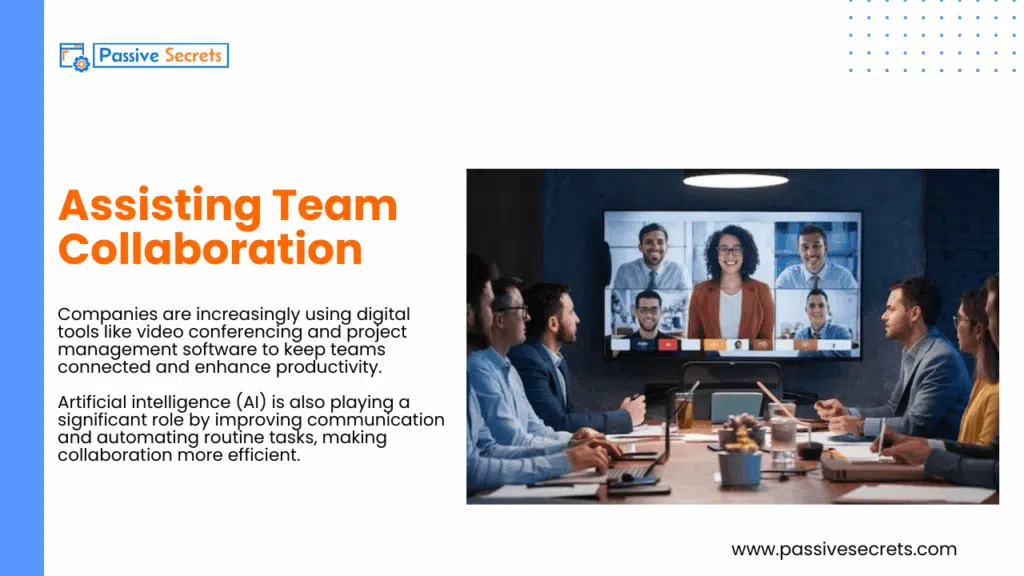
Artificial intelligence (AI) is also playing a significant role by improving communication and automating routine tasks, making collaboration more efficient.
Additionally, immersive technologies like virtual reality (VR) are being used for interactive meetings, allowing team members to brainstorm and problem-solve together from different locations.
Moreover, organizations are focusing on employee well-being to create healthier work environments that support effective teamwork. This trend emphasizes leveraging technology and prioritizing well-being to foster better collaboration among team members in 2026.
5. Tech-enhanced Team Building
Virtual reality (VR) and augmented reality (AR) are increasingly employed to create immersive team-building experiences, allowing remote members to engage in interactive activities that improve communication and problem-solving skills.
Digital tools like mobile apps and online platforms facilitate seamless communication and project management, helping teams stay connected regardless of location. Additionally, gamification is being used to boost engagement by incorporating game-like elements into team activities, fostering motivation and teamwork through friendly competition.
Tech-enhanced team building focuses on leveraging innovative technologies to create effective collaboration experiences, leading to improved teamwork and increased productivity.
Conclusion
The statistics on team building shows its undeniable impact on workplace productivity, employee engagement, and overall job satisfaction.
Whether through in-person activities or virtual initiatives, effective team building can strengthen connections, foster collaboration, and drive business success.
As workplaces continue to evolve, especially with the rise of remote and hybrid models, organizations must adapt their team-building strategies to meet changing employee needs.
Investing in team building isn’t just about boosting morale—it’s about creating a foundation for long-term growth and success.
FAQs
Other Related Statistics You Shouldn’t Miss in 2025:
- 87+ Essential Training Industry Statistics & Trends for HR and L&D Professionals
- Global IT Outsourcing Statistics 2026: Key Trends and Insights
- 90+ Interesting Marketing Jobs Statistics & Facts (Latest Report)
- 80+ Employee Benefit Statistics: Insights and Trends
- The Most Important Wealth Management Statistics You Can’t Afford to Ignore
- Enterprise Data Management: Essential Statistics and Emerging Trends
- Talent Management Statistics: Market Growth, Engagement, and Upskilling Trends
- Top Reputation Management Statistics and Trends to Improve Your Brand
- 36 Helpful Social Worker Burnout Statistics To Know
- 100 Business Process Outsourcing Statistics & Facts
- Top HR Outsourcing Statistics and Trends Every Business Must Know
- The Top Outsourcing Statistics You Shouldn’t Ignore
- 47+ Shocking 4-day Work Week Statistics To Know
- 105+ Supply Chain Statistics & Facts You Can’t Ignore
- 50+ Interesting Employer Branding Statistics And Trends
- Job Seekers Statistics: Unemployment Rates, Preferences, Challenges
- 95 Interesting Job Interview Statistics and Huge Trends To Know
- 60+ Helpful Change Management Statistics & Facts
- 65+ Employee Performance Management Statistics & Trends
- Workforce Management Statistics: Trends, Insights, & Opportunities
- 73 Revealing Workplace Distraction Statistics
- Workplace Romance Statistics: How Common Is Workplace Romance?
- 40+ Top Workplace Conflict Statistics You Should Know
- The State of Workplace Communication: Key Statistics and Trends
- 55 Workplace Collaboration & Teamwork Statistics